


Social media success used to be about perfect branding, polished messaging, and carefully curated campaigns. On TikTok, all of that can actually backfire. The platform thrives on chaos, humor, and authenticity. Brands that embrace the weirdness, lean into human moments, and connect with audiences unexpectedly are the ones winning big.
So, what does that look like in practice? We’ve pulled together some of the most unlikely TikTok icons, which are brands that succeeded by leaning into humor, absurdity, and cultural relevance.
These are the companies that:
- Turned mundane products and services into shareable content
- Created communities instead of campaigns
- Proved that weird can be wildly effective
Duolingo
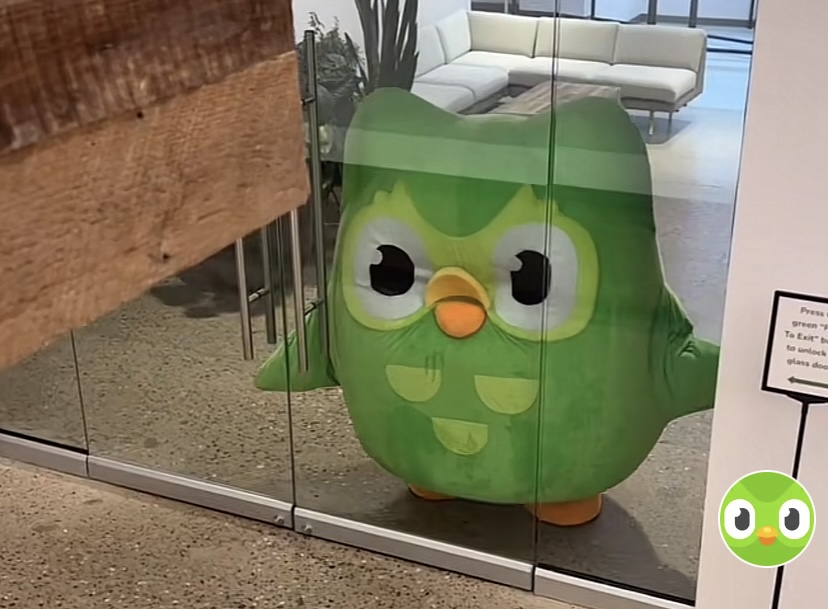
You’re probably familiar with the green owl, but on TikTok, Duolingo is much more than a language-learning app mascot. The brand’s chaotic, self-aware voice feels like it belongs on the For You Page: over-the-top jokes, absurd threats from the “Duo Owl,” and tongue-in-cheek commentary.
Why it works: The content prioritizes entertainment over selling. By leaning into humor and absurdity, Duolingo’s videos spread organically, building massive reach without traditional advertising. Duolingo’s “chaotic owl” persona shows how a bold brand personality makes content culturally relevant and shareable.
Brita
Water filtration isn’t exactly TikTok’s sexiest topic, but Brita made it work. By connecting its product to wellness, sustainability, and subtle satire, the brand taps into cultural values people already care about without lecturing or overproducing content.
Why it works: Brita shows that even everyday items can feel relevant when they speak the audience’s language. The brand entertains while reflecting shared values, proving that humor and relatability can make ordinary products feel extraordinary. By tapping into trends, cultural moments, and the audience’s interests, the brand makes something as simple as a water filter feel worthy of sharing.
Ryanair
Forget the polished corporate persona, Ryanair thrives on brutal honesty. The airline embraces customer complaints, pokes fun at itself, and turns memes into marketing strategies. Ryanair isn’t afraid to lean into criticism, which makes its content feel refreshingly real. By showing that it can laugh at itself, the company builds trust and relatability with an audience that’s often skeptical of corporate messaging.
Why it works: Authenticity and humor outperform corporate defensiveness on TikTok. Fans engage with brands that can laugh at themselves and accept criticism, reminding audiences that behind the logo are real people.
Chipotle
Chipotle doesn’t just post content; they interact. From responding to menu hacks to sharing videos of fans mispronouncing the brand, the chain treats TikTok as a two-way conversation rather than a megaphone for product promotion.
Why it works: TikTok users are creators, not passive viewers. By participating in trends and acknowledging audience behavior, Chipotle builds a sense of community while subtly boosting brand affinity. The brand’s approach proves that engagement matters more than perfection, and when audiences feel seen and included, they’re far more likely to interact and share.
What Can Your Brand Learn?
You don’t need a huge ad budget or perfect corporate polish to succeed on TikTok. The brands that thrive prioritize cultural fluency over brand consistency. They act like creators, not advertisers, understanding that TikTok is entertainment first, and marketing second.
Whether it’s a chaotic owl, a satirical water filter, or an airline that laughs at itself, the lesson is clear: on TikTok, brands that embrace their quirks, engage authentically, and don’t take themselves too seriously are the ones that thrive. Weird isn’t just tolerated, it’s rewarded. When brands dare to be different, they capture attention, spark conversation, and create lasting cultural relevance.


Be the first to comment